Introduction
Have you ever wondered which stainless steel pipe is right for your project? With the many types available, it's crucial to choose the best fit for your needs.
In this article, we will explore the key differences between 304 and 316 stainless steel pipes. By the end, you'll know which one suits your application, whether for cost-effective use or superior corrosion resistance.
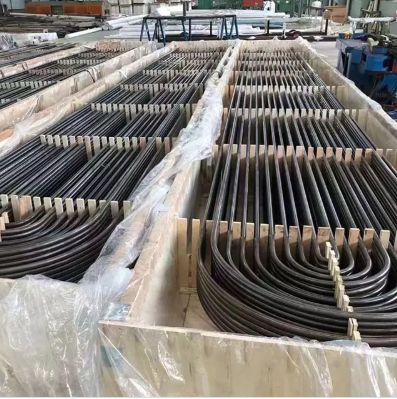
Key Differences in Composition Between 304 and 316 Stainless Steel Pipes
| Property | 304 Stainless Steel | 316 Stainless Steel |
| Chromium Content | 18% | 16-18% |
| Nickel Content | 8% | 10-14% |
| Molybdenum Content | 0% | 2-3% |
| Corrosion Resistance | Moderate | High (especially in chloride environments) |
| Common Applications | Kitchen, architecture, indoor use | Marine, chemical, pharmaceutical |
| Cost | Lower | Higher |
304 Stainless Steel: Composition and Properties
304 stainless steel is one of the most popular stainless steel grades due to its excellent corrosion resistance and ease of fabrication. It contains 18% chromium and 8% nickel, forming a passive oxide layer that protects the surface from rust and corrosion in many environments. It is a non-magnetic material, which is a key characteristic of austenitic stainless steels. This makes 304 stainless steel easy to form and weld, and it can be fabricated into various shapes and sizes for different applications.
Key Properties:
Corrosion Resistance: 304 is resistant to rust in most indoor environments and environments with mild corrosive conditions.
Workability: It can be easily fabricated, welded, and formed into different shapes, which makes it suitable for a wide range of applications.
Cost-Effectiveness: 304 is generally more affordable than 316, making it a more budget-friendly option for general-use applications.
316 Stainless Steel: Enhanced Properties with Molybdenum
316 stainless steel shares many characteristics with 304, but it includes an important addition: molybdenum. This alloying element gives 316 its superior resistance to corrosion, especially in environments exposed to chlorides, such as marine and chemical processing industries. The molybdenum content in 316 helps prevent the formation of pitting and crevice corrosion, which are common issues in chloride-rich environments.
Key Properties:
Superior Corrosion Resistance: The addition of molybdenum allows 316 to resist pitting, crevice corrosion, and oxidation better than 304, especially in marine or acidic environments.
Durability: 316 retains its mechanical properties even under high temperatures, making it ideal for high-stress environments.
Suitability for Harsh Conditions: 316 is typically used for applications that involve exposure to harsh chemicals, saltwater, or high temperatures, such as in the pharmaceutical or marine industries.
How Composition Affects Performance in Corrosive Environments
The key difference between 304 and 316 lies in their performance under corrosive conditions. While both alloys offer good corrosion resistance, 316 performs better in environments with exposure to chloride ions, acids, and salts. This makes it the go-to material for applications in marine environments, chemical processing, and pharmaceutical manufacturing.
Tip: For projects in coastal areas or environments with harsh chemicals, 316 stainless steel is the better choice due to its enhanced resistance to corrosion.
Corrosion Resistance: 304 vs 316 Stainless Steel Pipes
| Corrosive Environment | 304 Stainless Steel | 316 Stainless Steel |
| Saltwater | Prone to pitting and crevice corrosion | Highly resistant to pitting and crevice corrosion |
| Acidic Environments | Moderate resistance | Superior resistance |
| Chloride Exposure | Susceptible to corrosion | Excellent resistance |
| Marine Applications | Not ideal | Ideal |
| Chemical Processing | Not recommended | Preferred |
Corrosion Resistance of 304 Stainless Steel Pipes
304 stainless steel is ideal for many general-purpose applications where corrosion is not a major concern. It resists corrosion in most indoor environments, such as kitchens, bathrooms, and manufacturing settings. However, when exposed to saltwater or harsh chemicals, it can suffer from pitting and crevice corrosion.
Applications:
Kitchen equipment, including sinks and countertops
Indoor architectural features and decorative elements
General industrial applications where mild corrosion resistance is required
Limitations:
304 stainless steel may not be suitable for environments with high exposure to corrosive elements like chlorides or strong acids, as these can lead to localized corrosion over time.
Why 316 Stainless Steel Offers Superior Corrosion Protection
316 stainless steel is specifically designed to withstand environments that are highly corrosive. Its molybdenum content makes it resistant to pitting corrosion and crevice corrosion, even in saltwater or acidic environments. This makes it an ideal material for marine, chemical, and pharmaceutical industries.
Applications:
Marine equipment, such as shipbuilding components and offshore platforms
Chemical processing plants, including tanks, piping, and storage vessels
Pharmaceutical equipment, where cleanliness and resistance to corrosion are essential
Advantages:
316 stainless steel's superior corrosion resistance ensures a longer service life in harsh conditions, reducing maintenance and replacement costs.
Choosing Between 304 and 316 Based on Corrosion Risk
When choosing between 304 and 316, it’s crucial to assess the level of exposure to corrosive elements. For indoor, dry environments, 304 is a cost-effective option. For applications where the material will be exposed to harsh chemicals, saltwater, or acids, 316 is the better choice due to its superior corrosion resistance.
Cost Comparison: 304 vs 316 Stainless Steel Pipes
| Factor | 304 Stainless Steel | 316 Stainless Steel |
| Upfront Cost | Lower | Higher |
| Durability in Harsh Conditions | Moderate | High |
| Maintenance Costs | Moderate | Lower over time |
| Long-Term Investment | Less cost-effective for extreme conditions | More cost-effective for extreme conditions |
304 Stainless Steel: A Budget-Friendly Option
304 stainless steel is typically more affordable than 316, which makes it a cost-effective choice for many applications. Its lower price point makes it an ideal option for projects where corrosion resistance is not the most critical factor.
Cost Considerations:
Lower upfront cost compared to 316
Ideal for indoor use and non-corrosive environments
Reduces initial investment in projects with fewer corrosion risks
Why 316 Stainless Steel Comes at a Higher Cost
The higher cost of 316 stainless steel is due to the addition of molybdenum and its superior corrosion-resistant properties. While the initial cost is higher, the long-term savings in maintenance, repair, and replacement costs can make 316 more cost-effective for demanding environments.
Cost Considerations:
Higher initial investment due to added molybdenum
Increased durability in harsh conditions
Reduced maintenance costs in the long run
How to Weigh Cost Against Long-Term Durability
Choosing between 304 and 316 stainless steel requires balancing the upfront cost with long-term durability. If your project involves exposure to harsh chemicals, saltwater, or high temperatures, investing in 316 is likely to save money over time by reducing maintenance and replacement costs.
Applications: Where to Use 304 vs 316 Stainless Steel Pipes
| Application Type | Recommended Stainless Steel Pipe | Ideal Grade |
| Food Processing | General use | 304 |
| Marine Equipment | Requires high corrosion resistance | 316 |
| Chemical Processing | Requires resistance to harsh chemicals | 316 |
| Pharmaceutical Equipment | Requires high resistance to rust | 316 |
| Residential Plumbing | Indoor use | 304 |
| Construction and Architecture | Indoor and mild corrosion areas | 304 |
Common Uses for 304 Stainless Steel Pipes
304 stainless steel pipes are widely used in industries that require good corrosion resistance at a lower cost. They are commonly found in the food processing, beverage, and construction industries. They are also suitable for general plumbing and HVAC systems in non-corrosive environments.
Applications:
Kitchen sinks, cookware, and appliances
Food processing plants and beverage equipment
Plumbing systems and architectural décor
When to Choose 304:
Why 316 Stainless Steel is Preferred for Harsh Environments
316 stainless steel is designed to handle extreme conditions. Its superior resistance to corrosion makes it ideal for industries like marine, chemical processing, and pharmaceuticals, where corrosion is a significant concern.
Applications:
Marine and offshore equipment, including boats and platforms
Chemical storage tanks and processing pipelines
Pharmaceutical manufacturing equipment
When to Choose 316:
For applications exposed to saltwater, chemicals, or high temperatures
When durability and reduced maintenance are critical
Choosing the Right Stainless Steel Pipe for Industry-Specific Needs
The choice between 304 and 316 depends largely on the environment and industry in which the stainless steel pipes will be used. For industries like food and beverage processing or residential plumbing, 304 may be sufficient. However, for marine or chemical industries, 316 is the better option due to its enhanced corrosion resistance.
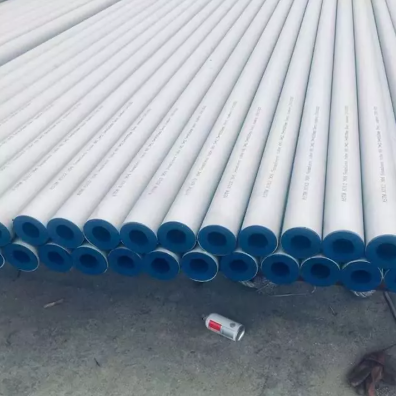
How to Select the Right Stainless Steel Pipe for Your Project
Choosing 304 Stainless Steel for Mild Environments
304 stainless steel is widely used due to its excellent workability and moderate corrosion resistance. It is an ideal choice for applications where corrosion is not a significant concern and where the material will not be exposed to harsh chemicals or extreme conditions. In indoor environments, 304 stainless steel performs well, providing the necessary strength and durability without the need for additional protection.
For general industrial and residential plumbing systems, 304 stainless steel provides a cost-effective solution. It is commonly used in kitchen appliances, food processing, and beverage applications where the environment remains dry or mildly corrosive. Additionally, the ease of fabrication and welding makes 304 a go-to material for many projects that require precise and quick installations. However, its corrosion resistance is not suitable for exposure to high chloride concentrations or salty environments.
Examples:
Food processing plants where there is minimal exposure to corrosive chemicals.
Plumbing systems in dry indoor environments like residential buildings, where the risk of rust or corrosion is low.
Kitchen equipment such as sinks, countertops, and appliances where the environmental conditions are controlled.
Choosing 316 Stainless Steel for Corrosive and High-Temperature Environments
When your project involves exposure to extreme conditions such as saltwater, acids, or high temperatures, 316 stainless steel should be your material of choice. The addition of molybdenum in 316 enhances its resistance to chloride-induced corrosion, pitting, and crevice corrosion, making it especially well-suited for highly corrosive environments. It is particularly useful in marine environments, chemical plants, and pharmaceutical facilities where resistance to harsh chemicals and durability in elevated temperatures are critical.
316 stainless steel is also preferred for applications where the material will endure long-term exposure to outdoor conditions, like in offshore oil rigs or on marine vessels. The superior corrosion resistance ensures the material retains its integrity over extended periods, reducing the risk of degradation and the need for frequent replacements or maintenance.
Examples:
Offshore oil rigs where the material is exposed to saltwater, wind, and other harsh environmental factors.
Marine vessels, such as ships and platforms, where durability against seawater and other corrosive elements is vital.
Chemical plants, pharmaceutical equipment, and food processing plants that require high levels of hygiene and resistance to acids and chemicals.
Balancing Cost, Performance, and Durability in Your Choice
When choosing between 304 and 316 stainless steel, one of the most important factors to consider is balancing the initial cost with long-term performance and durability. 304 stainless steel tends to be more affordable than 316, making it an attractive option for projects with limited budgets or those where the environmental conditions are not overly demanding. However, while 304 offers sufficient performance in many cases, it may not provide the longevity needed in harsher conditions.
On the other hand, 316 stainless steel comes with a higher upfront cost, but its superior corrosion resistance and durability in challenging environments often result in significant long-term savings. Over time, 316 can save you money by reducing maintenance costs, minimizing the need for repairs, and extending the lifespan of your equipment. This makes 316 the preferred choice for industries where performance is a critical factor and failure due to corrosion could result in costly downtime or safety risks.
When making your decision, carefully assess the specific demands of your project. Consider not only the budget but also the potential costs of maintenance, repairs, and replacements over time. In many cases, the higher initial investment in 316 stainless steel may pay off in the long run, especially in harsh or highly corrosive environments.
Examples:
For residential plumbing or simple industrial applications, 304 may offer the best balance of cost and performance.
For chemical plants, marine applications, or other high-risk environments, investing in 316 stainless steel will offer peace of mind and long-term reliability, justifying the higher upfront cost.
Conclusion
Selecting the right stainless steel pipe depends on understanding the differences between 304 and 316 grades. 304 is best for indoor use with moderate corrosion resistance, while 316 is superior in environments with harsher conditions, such as marine and chemical industries. Careful evaluation of your project's requirements helps you balance cost, performance, and durability.
For those in need of high-quality stainless steel pipes, Zhencheng Steel Co., Ltd. offers products that deliver exceptional value, with 304 and 316 options suited to various industries, ensuring optimal performance and long-term durability.
FAQ
Q: What is the difference between 304 and 316 stainless steel pipes?
A: 304 stainless steel pipes are ideal for indoor applications with moderate corrosion resistance. 316 stainless steel pipes, on the other hand, offer superior corrosion resistance, especially in marine and chemical environments.
Q: When should I use 304 stainless steel pipes?
A: 304 stainless steel pipes are best for general use in indoor settings, such as plumbing and kitchen equipment, where corrosion is not a major concern.
Q: Why is 316 stainless steel pipe preferred for marine applications?
A: 316 stainless steel pipes contain molybdenum, enhancing their resistance to saltwater and chemicals, making them ideal for harsh marine environments.
Q: How much more expensive is 316 stainless steel compared to 304?
A: 316 stainless steel pipes are typically 10-15% more expensive than 304 due to the added molybdenum and superior corrosion resistance.
Q: Can I use 304 stainless steel pipe for outdoor projects?
A: Yes, 304 stainless steel can be used outdoors in mild conditions but may not withstand extreme environments like coastal or chemical-heavy areas as well as 316.


