Tel: +86-139-1579-1813      Email: mandy.w@zcsteelpipe.com
Seamless Line Pipe
You are here: Home » Products » Line Pipe » Seamless Line Pipe

loading

Share to:
facebook sharing button
twitter sharing button
line sharing button
wechat sharing button
linkedin sharing button
pinterest sharing button
whatsapp sharing button
sharethis sharing button

Seamless Line Pipe

Availability:

Technical Summary: API 5L Seamless Line Pipe (PSL1 & PSL2)

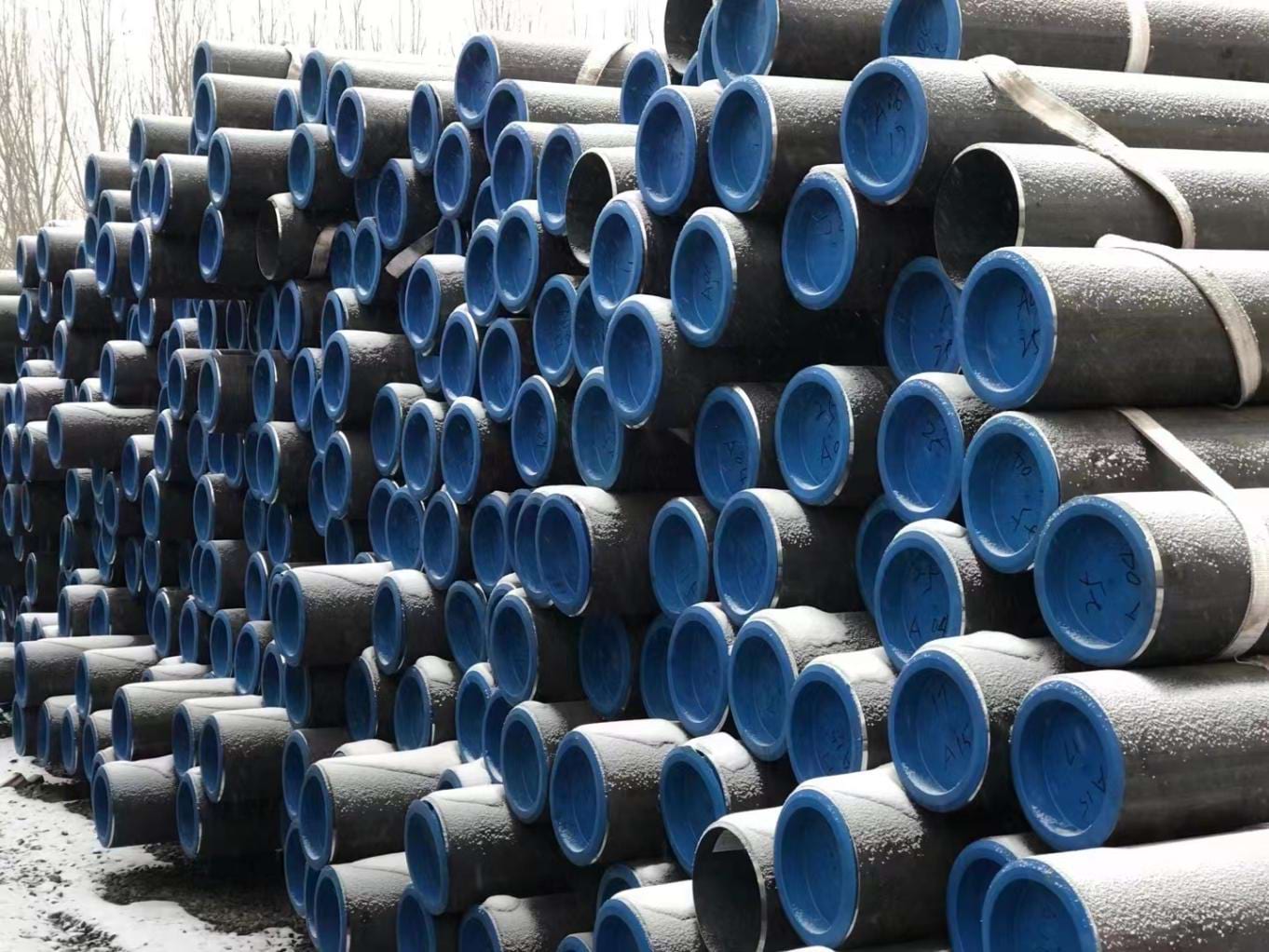
As a specialized supplier of high-performance energy infrastructure, we provide API 5L Seamless Line Pipe engineered for the most demanding onshore and offshore environments. Our production range covers Product Specification Levels 1 and 2 (PSL1 & PSL2), from standard Grade B up to high-yield X70 and X80.

For critical operations, we specialize in Sour Service (H2S) applications, ensuring all material meets NACE MR0175/ISO 15156 standards with mandatory HIC (Hydrogen Induced Cracking) and SSC (Sulfide Stress Corrosion Cracking) testing. Whether your project requires high-pressure transmission or resistance to corrosive media, our seamless pipes provide the metallurgical integrity required for safe, long-term performance.

  • Standards: API SPEC 5L, ASTM A106, ASTM A53.

  • Grades: X42, X52, X60, X65, X70, X80.

  • Testing: Ultrasonic (UT), Hydrostatic, Magnetic Particle (MPI), and Charpy V-Notch (CVN) Impact Testing.

  • Compliance: Fully certified for PSL2 requirements, including strict chemical composition and mechanical properties.


Technical Comparison: Learn the engineering differences between standard Pipe and Line Pipe for API 5L projects.

Technical Deep Diver: Learn API 5L X70 PSL2 for Sour Service (NACE MR0175)

Trouble Shooting X70: Learn X70 Line Pipe: Troubleshooting Girth Weld Cracking and HAZ Softening

Project: API 5L X70 line pipe to Africa


Application of Seamless Line Pipe

Line pipes are used for transporting various fluids, including oil, gas, and water, over long distances in pipelines, which are employed in both onshore and offshore applications. Our seamless line pipe is specifically engineered for high-pressure transmission in sour environments where corrosion resistance is required.


Supply Range of Seamless Line Pipe

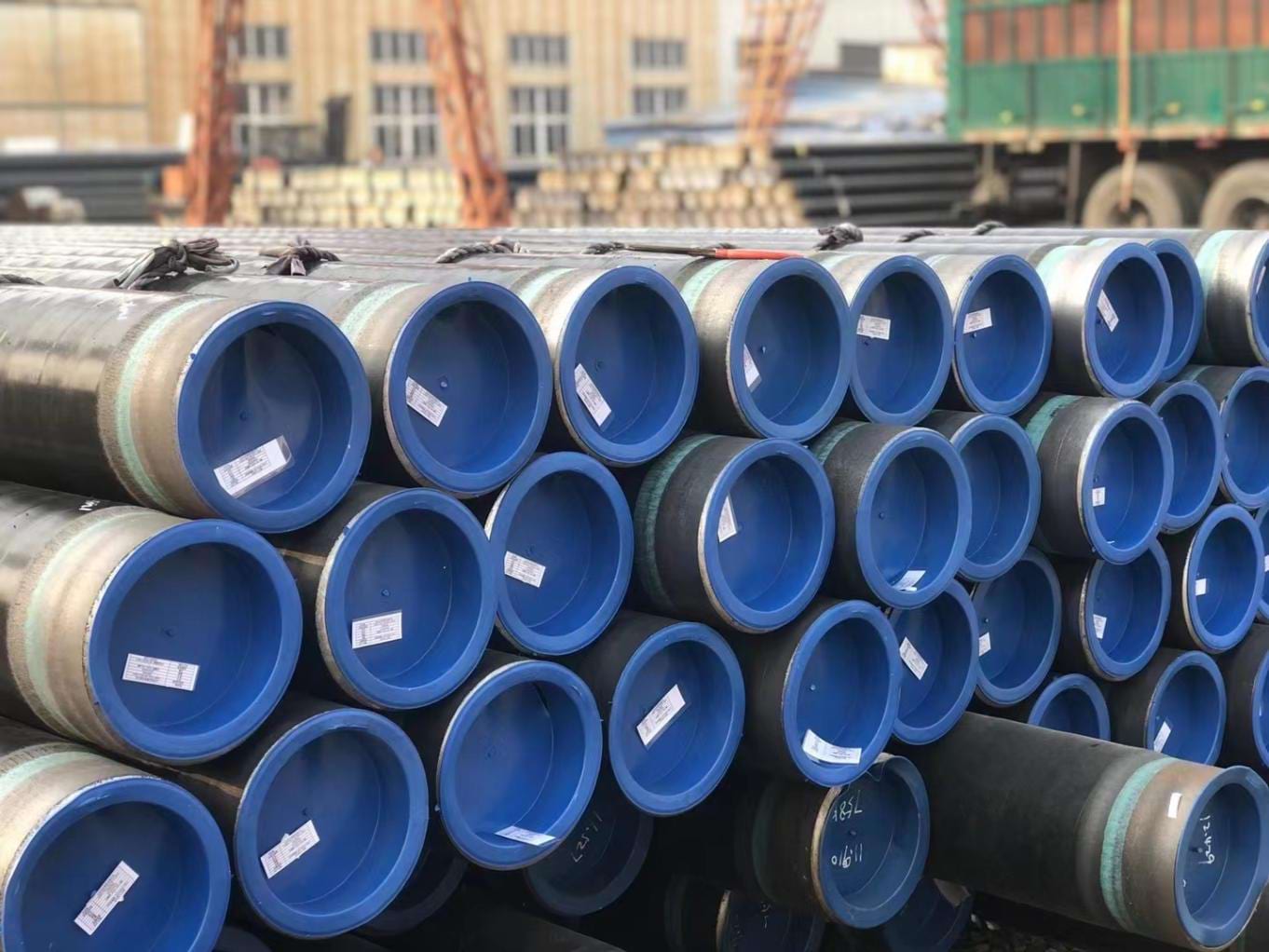
Standard: API 5L latest edition

Product Specification level: PSL1, PSL2

Grades: Grade A, B, X42, X46, X52, X56, X60, X65, X70, X80(suffix with N, Q, S dependently)

Diameter: 1/2in to 26in

Thickness: SCH10, SCH20, SCH40, STD, SCH 80, SCH XS, SCH 160.

Length: 6m or 11.8m or customized

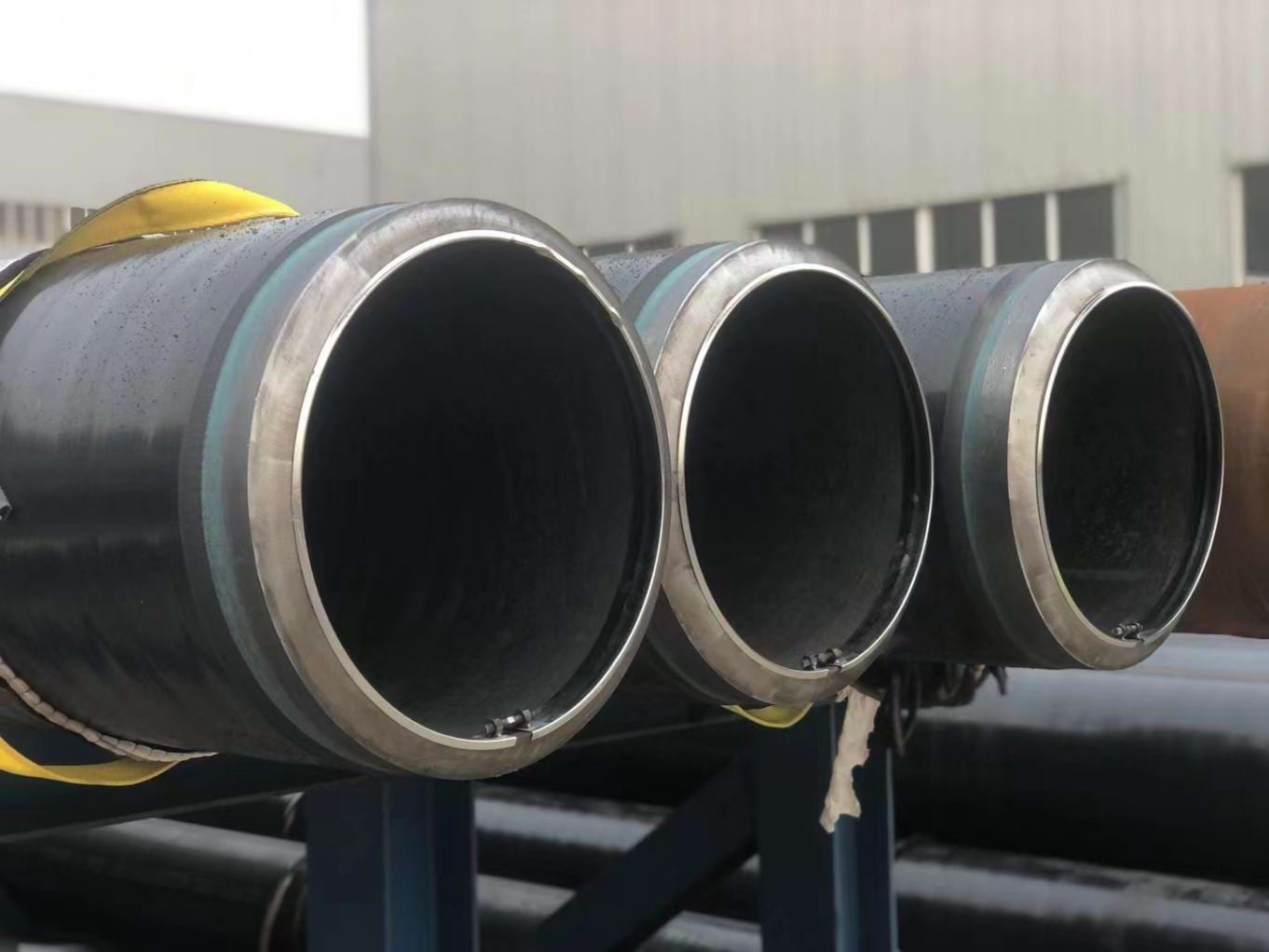
Pipe End: Plain-end or beveled end with caps

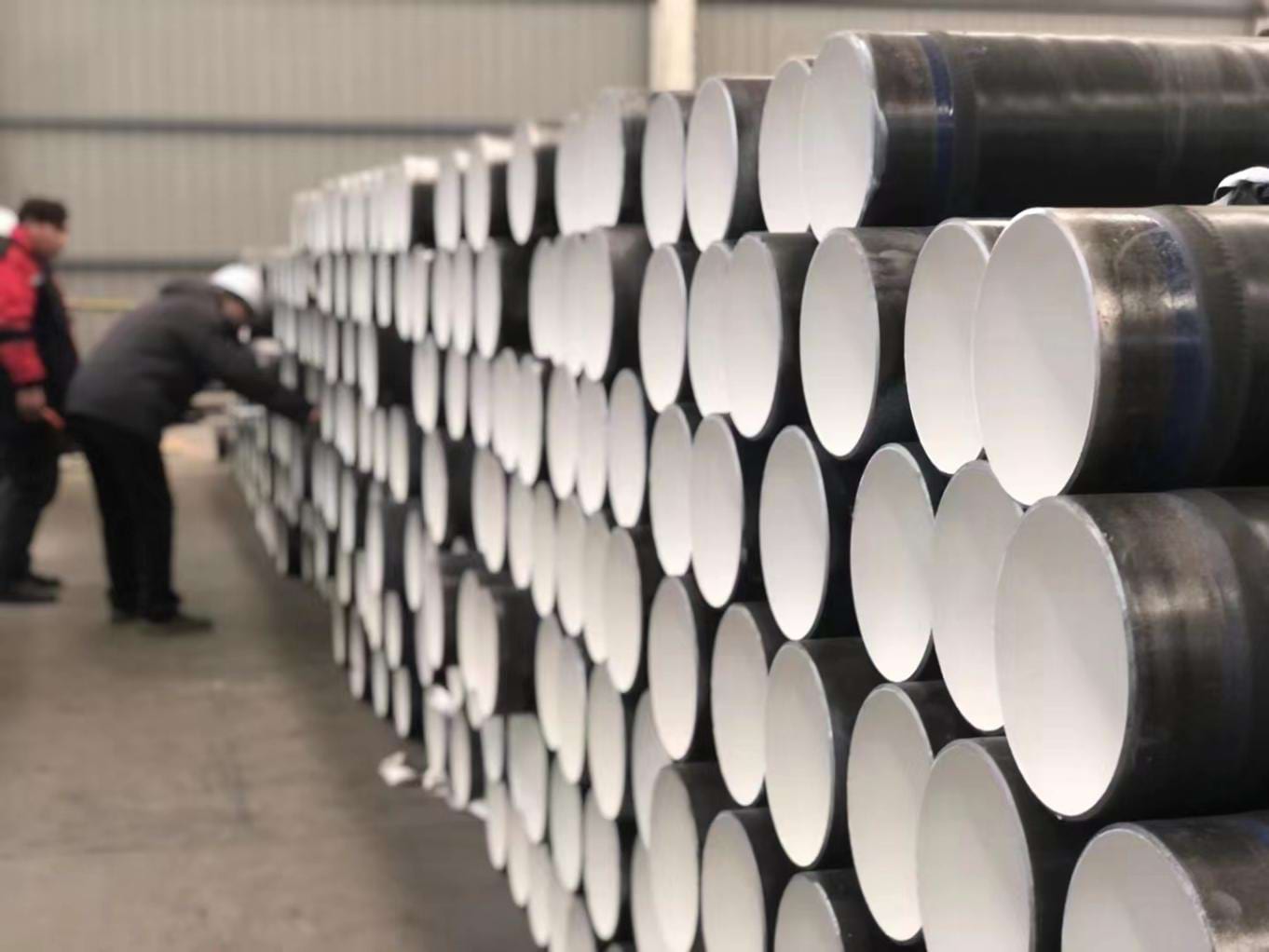
Surface: Bare, clear varnished, black coating, FBE, 3PE, etc.

Marking: standard or customized
Supply Range of Seamless Line Pipe  Supply Range of Seamless Line Pipe2


Manufacturing Process of Seamless Line Pipe

1. Hot-rolling

2. Hot-expanding

3. Cold rolled or cold drawn
Manufacturing Process of Seamless Line Pipe


Tolerances on API 5L Seamless Line Pipe

Tolerance on Diameter

Diameter mm(in)

Diamter Tolerance mm(in)

Out of Roundness Tolerance

Pipe Body

Pipe end(I.D.)

Pipe body

Pipe end(I.D.)

<60.3(2.375)

±0.5mm or ±0.0075D
whichever is greater

±0.5mm or ±0.005D
whichever is greater but max is ±1.6(0.063)

0.9(0.036)

0.6(0.024)

≥60.3(2.375)
to≤610(24.00)

≤0.015D

≤0.01D


Tolerance on Wall Thickness

Wall Thickness mm(in)

Tolerance mm(in)

<4.0(0.157)

+0.6(0.024),-0.5(0.020)

4.0(0.157)≤t<10(0.394)

+0.150t,-0.125t

10.0(0.394)≤t<25.0(0.984)

±0.125t

t≥25(0.984)

+3.7(0.146)or+0.1t , which is larger,
-3.0(0.120)or-0.1t,which is larger

Straightness, max for full length of pipe

≤0.15%L

Straightness, max deviation for pipe end

≤3mm/m

Length

±200mm for general,
±25.4mm for special


Sour Service Application

Resists Hydrogen Induced Cracking (HIC) and Sulfide Stress Corrosion Cracking (SSC). The HIC test has a stringent criteria of 5% Crack Length Ratio (CLR) and 3% Crack Thickness Ratio (CTR).

Item

Criteria of Acceptance

Test Method

SSC

Based on ASTM G39, four-point bending, NACE TM 0177 solution A,
72%*SMYS, test time≥720h

NACE TM 0177

HIC

Solution A,CSR≤2%,CLR≤5%,CTR≤3%

NACE TM 0284

Sour Service Application


Chemical Composition of API 5L Line Pipe

The composition requirements are designed to ensure the properties necessary for the intended service conditions, mainly including the content of carbon, manganese, phosphorus, sulfur, etc.

Chemical-Composition-of-API-5L-Line-Pipe


Chemical-Composition-of-API-5L-Line-Pipe2


Mechanical Properties of API 5L Line Pipe

The mechanical properties of API 5L seamless line pipe are specified in the API 5L standard, which has different grades (e.g., API 5L Grade B, X42, X52, X65, etc.), including yield strength, tensile strength, elongation, hardness, etc.

Mechanical-Properties-of-API-5L-Line-Pipe


Mechanical-Properties-of-API-5L-Line-Pipe2

Seamless Line Pipe Manufacturing & Quality Flow

Our seamless line pipes are manufactured through a rigorous hot-rolling and cold-finishing process, specifically designed to meet the high-strength and low-impurity requirements of API 5L PSL2 and Sour Service applications.

Phase 1: Material Preparation & Heating

  • Billet Selection: We use only high-purity continuous casting billets with controlled Carbon Equivalent (CE) for superior weldability.

  • Heating: Billets are heated in a rotary hearth furnace to a precise temperature to ensure uniform steel plasticity.

Phase 2: Hot Forming

  • Piercing: The solid billet is pierced by a cross-rolling piercer to form a "hollow" shell.

  • Elongation & Rolling: The shell is processed through a Mandrel Mill (MPM) to achieve the target wall thickness and outside diameter.

  • Sizing: A sizing mill ensures the pipe meets strict API 5L dimensional tolerances.

Phase 3: Advanced Heat Treatment (Critical for Sour Service)

  • Quench & Tempering (Q+T): To achieve the specific hardness requirements for X52QS - X70QS (Maximum 22 HRC), we utilize automated Q+T lines.

  • Normalizing: For standard grades, normalizing ensures a fine-grained microstructure for improved toughness.

Phase 4: Inspection & Quality Control

  • Hydrostatic Testing: Every pipe is tested to the required internal pressure calculated by Barlow’s Formula: 

    P=D2×S×t

    .

  • Non-Destructive Testing (NDT): Full-body Ultrasonic (UT) and Magnetic Particle (MT) inspection to detect internal and surface defects.

  • Final Marking: Pipes are stenciled with grade, heat number, and API monogram for full traceability.


Hot-Rolling Process


Hot-Rolling-Process


Hot Expanding Process


Hot Expanding Process

Cold-Rolled Or Cold-Drawn Process


Cold-rolled or cold-drawn Process


Magnetic Detector

Magnetic Detector

MPT is used to identify surface cracks or defects in ferromagnetic materials by applying a magnetic field and using magnetic particles.

Hydrostatic Test

Hydrostatic Test

A hydrostatic test is a common method used to assess the strength and integrity of seamless steel pipes. This test involves filling the pipe with water and pressurizing it to a specified level to check for any leaks or structural weaknesses.


Ultrasonic Detector

Ultrasonic Detector

UT equipment is used to detect internal and external defects in casing and tubing pipes by sending ultrasonic waves through the material.

Eddy Current Test

Eddy Current Test

ECT is used to identify surface and near-surface defects on casing and tubing in conductive materials by inducing eddy currents and detecting changes in their flow.


Metallographical Microscope

Metallographical Microscope

A specific requirements related to the analysis of steel microstructures.

Impact Tester

Impact Tester

The Charpy impact test is a common method used to evaluate the impact toughness of steel pipes materials. The test involves striking a notched specimen with a swinging pendulum, and the energy absorbed by the material during fracture is measured.


Brinell Hardness Tester

Brinell Hardness Tester

Hardness testing measures the hardness of the material, which is important for assessing its resistance to deformation and wear.

Tensile Test Machine

Tensile Test Machine

This equipment is used to determine the tensile strength, yield strength, and elongation properties of casing and tubing pipes by subjecting them to axial tension.

Thread Projector

Thread Projector

The primary function of a thread projector is to inspect and measure the geometry of threads on casings and tubings. This includes the pitch, flank angles, crests, roots, and other thread parameters.


API 5L Gas Line Project in Mexico

API 5L X56Q, X65Q,X70Q PSL2, OD 6’’, OD 8’’, OD 10’’, OD16’’--5600peices

Projects


Projects2


Previous: 
Next: 
Contact Us
Get in Touch

Quick Links

Support

Product Category

Contact Us

Add: No. 42, Group 8, Huangke Village, Sunzhuang Street, Hai'an City
Cell/WhatsApp: +86 139-1579-1813
Leave a Message
Contact Us
Copyright © 2024 Zhencheng Steel Co.,Ltd. All Rights Reserved. Supported by leadong.com