Introduction
Stainless steel pipes are an essential part of various industries. They are known for their durability, strength, and resistance to corrosion. Choosing the right stainless steel pipe for your project can be challenging, but understanding key factors can help simplify the process.
In this article, we’ll explore how to choose the best stainless steel pipe. You’ll learn what to consider based on your project's needs, including environmental conditions, mechanical requirements, and cost.
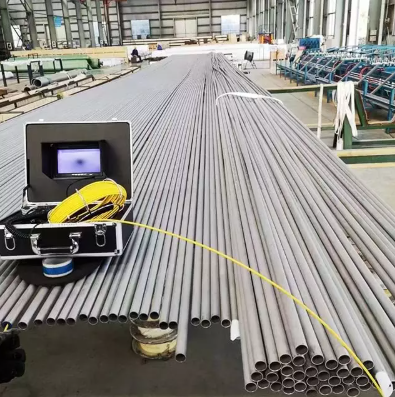
Why Stainless Steel Pipes Are Essential for Your Project
Stainless steel pipes are an essential component in numerous industries, prized for their durability, longevity, and resistance to corrosion. Unlike traditional steel, stainless steel offers superior strength and reliability, making it ideal for projects that demand both performance and resilience. Whether you’re working in construction, plumbing, or industrial processes, selecting the right type of stainless steel pipe is key to ensuring the success of your project. Given their versatile nature, stainless steel pipes have become the go-to material for a wide range of applications.
Advantages of Stainless Steel Pipes
Stainless steel pipes offer several benefits, including:
Corrosion Resistance: They are highly resistant to rust and corrosion, making them perfect for projects exposed to moisture, chemicals, or extreme environments. This feature allows stainless steel pipes to maintain their structural integrity even in harsh conditions, leading to long-lasting performance.
Strength and Durability: Stainless steel pipes are strong enough to withstand high pressure and temperature, ensuring long-term reliability. Their high tensile strength makes them suitable for both high-pressure and high-temperature applications, such as in industrial boilers or oil pipelines.
Aesthetic Appeal: With their smooth, shiny surface, stainless steel pipes are aesthetically pleasing, making them a popular choice for visible installations. In both residential and commercial buildings, these pipes offer a clean and modern look, complementing various architectural designs.
Low Maintenance: Due to their durability and resistance to corrosion, stainless steel pipes require less maintenance, saving you time and cost in the long run. Their ease of cleaning and resistance to the accumulation of grime or scaling ensure that the pipes function efficiently for years without constant attention.
Challenges in Pipe Selection
While stainless steel pipes are known for their benefits, choosing the right pipe can still be challenging. There are various types, grades, and sizes available, each suited to different applications. The main factors to consider include the project’s environmental conditions, the mechanical requirements of the pipe, and the cost.
Selecting a pipe requires a thorough understanding of your project’s specific needs, such as the pressure requirements, exposure to corrosive substances, and the expected operational lifespan of the piping system. It’s important to balance performance with cost-effectiveness, ensuring that the pipes not only meet technical specifications but also fit within your budget constraints.
When assessing your project, it’s important to weigh the long-term performance needs of your pipes. Stainless steel pipes typically offer durability and reduced maintenance, which often justifies their higher upfront costs. They also provide a strong return on investment due to their long life cycle.
Understanding Your Project’s Specific Requirements
Before selecting the ideal stainless steel pipe, it’s essential to understand the specific requirements of your project. These include environmental conditions, mechanical performance, and cost constraints. Failing to align the pipe material with these factors can result in premature failure or increased operational costs down the line.
Evaluating the Environmental Conditions for Pipe Selection
The environmental factors such as temperature, pressure, and chemical exposure will significantly influence your pipe choice.
Temperature: Stainless steel pipes perform well in both high and low temperatures, making them ideal for industrial applications like oil refineries or food processing plants. Their resistance to thermal expansion ensures that they maintain their shape and integrity even under extreme heat or cold.
Pressure: If your project involves high-pressure systems, like in oil and gas pipelines, you will need pipes with higher strength and thickness to withstand the load. It’s essential to choose pipes that are rated for the specific pressure demands of your project to ensure safety and performance.
Chemical Exposure: Exposure to chemicals can corrode pipes over time. It’s crucial to choose a pipe grade that can resist chemical reactions, such as 316 stainless steel for highly corrosive environments. For projects in chemical plants or marine environments, pipes with high resistance to acids, chlorides, and other aggressive substances are necessary to avoid degradation.
Choosing the right grade for the environment is vital to ensure the pipes maintain their performance. For example, for projects exposed to harsher conditions, opting for 316 or 316L stainless steel can provide enhanced durability and longevity.
Selecting the Right Stainless Steel Grade
There are various grades of stainless steel, each offering different properties for specific uses. Selecting the right grade ensures that the pipes will perform efficiently and endure the operational challenges of the environment.
| Stainless Steel Grade | Corrosion Resistance | Applications | Strength | Welding Suitability |
| 304 | Good | General construction, plumbing, HVAC, water systems | Moderate | Excellent |
| 316 | Very good | Marine environments, chemical processing | High | Good |
| 316L | Very good | Welding-heavy applications, chemical processing | High | Excellent |
| 2205 Duplex | Excellent | High-strength, oil and gas pipelines, power plants | Very high | Fair |
For environments with specific exposure needs, such as marine or chemical plants, opting for 316L or 2205 duplex stainless steel pipes ensures greater resistance and reliability.
Choosing Between Welded and Seamless Stainless Steel Pipes
The choice between welded and seamless stainless steel pipes depends on the specific requirements of your project. Understanding the differences between these two types of pipes can help you select the best option for your application.
| Pipe Type | Manufacturing Process | Applications | Strength | Cost |
| Welded | Welded from a metal sheet | Low to medium-pressure systems, structural uses | Lower strength | More affordable |
| Seamless | Made from a solid billet | High-pressure systems, industrial boilers | Higher strength | More expensive |
Key Differences Between Welded and Seamless Pipes
Manufacturing Process and Strength: Welded pipes are created by welding two edges of a metal sheet together, while seamless pipes are made from a solid billet. As a result, seamless pipes have fewer weaknesses and are often stronger, making them ideal for high-pressure applications. Seamless pipes tend to be more uniform in thickness and are less prone to defects at the weld seams.
Cost: Welded pipes are generally more affordable because they are easier and less expensive to produce. The manufacturing process for welded pipes is less labor-intensive compared to seamless pipes.
Applications: Seamless pipes are used in high-pressure systems, while welded pipes are typically sufficient for low- and medium-pressure applications. Welded pipes are also often used in structural applications where strength is less of a concern, such as in buildings or non-critical plumbing systems.
When to Use Seamless vs. Welded Pipes
Seamless Pipes: Best for high-pressure systems, such as gas pipelines, high-temperature steam lines, or chemical processing equipment.
Welded Pipes: Suitable for less demanding applications like plumbing or HVAC systems, where lower pressure and less stringent mechanical properties are required.
For projects requiring pipes to withstand extreme pressure, seamless pipes are the more reliable option. They offer fewer potential weak points than welded pipes and are ideal for high-stress environments.
Sizing and Wall Thickness Considerations
Choosing the correct size and wall thickness is vital for ensuring that the pipes meet your project's requirements.
Diameter: The pipe diameter affects the flow rate and pressure of the fluids passing through. The correct diameter ensures efficient fluid transport and maintains pressure within optimal ranges. Larger diameters may be necessary for high-flow applications, while smaller diameters are typically sufficient for lower-flow systems.
Wall Thickness: A thicker pipe wall provides higher pressure resistance and durability. For high-pressure applications, you may need a Schedule 40 or Schedule 80 pipe, which offers greater strength. Pipe wall thickness is a critical factor in determining the pressure rating and load-bearing capacity of the pipe.
To make sure the pipes are adequate for the required pressure and flow rate, you may need to consult engineering tools or software. These resources can help you calculate the appropriate diameter and thickness for your pipes based on the specific conditions of your project.
Here’s a quick reference for common pipe sizes, wall thicknesses, and their applications:
| Pipe Size (Diameter) | Wall Thickness | Pressure Rating | Common Applications |
| 1 inch | Schedule 40 | 3000 PSI | Residential plumbing, light-duty systems |
| 2 inches | Schedule 80 | 5000 PSI | Industrial systems, oil pipelines |
| 4 inches | Schedule 160 | 10000 PSI | High-pressure gas and steam lines |
Ensuring Corrosion Resistance and Strength for Your Project
Stainless steel pipes are chosen for their corrosion resistance and strength, but different environments and applications require different levels of protection.
Evaluating Corrosion Resistance for Specific Environments
Not all stainless steel grades offer the same level of corrosion resistance, and it’s important to select the right material based on the exposure levels.
Marine Environments: Pipes used in coastal areas or offshore applications need to be highly resistant to saltwater. 316 stainless steel is commonly used in these settings due to its excellent resistance to chloride-induced corrosion.
Chemical Processing: For applications exposed to chemicals, pipes with higher resistance to acids or alkaline substances are necessary. 316L and 2205 duplex stainless steel are ideal in these cases due to their superior resistance to a wide range of chemicals.
Choosing the right material for your project can ensure long-term durability and prevent premature failure of the pipes, especially when exposed to harsh environments.
Strength and Pressure Resistance Requirements
The strength and pressure resistance of the pipes are vital for ensuring that they perform well under extreme conditions. Stainless steel’s high tensile strength makes it suitable for high-pressure applications like oil and gas pipelines, as well as heavy-duty industrial uses.
For projects that involve high pressures, selecting pipes with the necessary strength and durability ensures they will handle the operational demands without risk of failure. Stainless steel pipes are designed to provide optimal performance even in the harshest operating conditions.
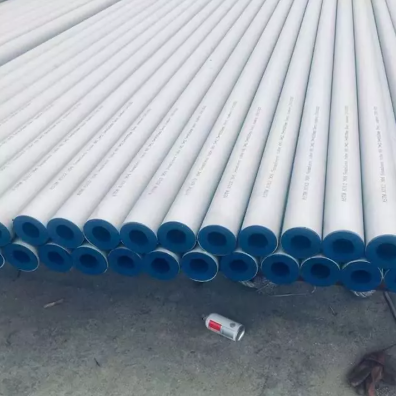
Environmental and Cost Considerations in Pipe Selection
Choosing stainless steel pipes isn’t just about performance; sustainability and cost also play significant roles in the decision-making process.
Sustainability of Stainless Steel Pipes
Stainless steel is highly recyclable, making it an environmentally friendly choice. Moreover, it lasts longer and requires less maintenance, reducing the overall environmental footprint.
Energy Consumption and Recyclability: The production of seamless pipes requires more energy, but both welded and seamless pipes can be recycled, contributing to sustainable construction practices. Opting for stainless steel can significantly reduce the environmental impact of a project over time.
Lower Maintenance: The durability of stainless steel pipes means fewer replacements and less frequent maintenance. This long-term performance leads to reduced waste and fewer resources being used for replacements or repairs.
By opting for stainless steel, you contribute to sustainability by choosing a material that can be recycled and has a long life cycle. In the long run, the environmental impact is minimal compared to other materials.
Weighing Cost-Effectiveness in Pipe Selection
While stainless steel pipes may have a higher upfront cost, their long lifespan and minimal maintenance requirements make them a cost-effective option in the long run.
Short-Term vs. Long-Term Costs: Consider the total cost of ownership, including installation, maintenance, and potential repairs. Stainless steel pipes often provide savings over time due to their durability and resistance to corrosion.
When selecting the right pipe for your project, always factor in the potential savings on maintenance and replacements that stainless steel pipes offer. These costs may outweigh the initial investment over time.
Choosing a Reliable Stainless Steel Pipe Supplier
A reliable supplier is crucial for ensuring that you get high-quality stainless steel pipes that meet your project’s needs.
Key Supplier Certifications and Qualifications
Ensure that your supplier adheres to industry standards like ASTM, ASME, and ISO certifications. These standards guarantee that the pipes meet specific quality and performance criteria.
Having a supplier with the necessary certifications ensures that the pipes you receive are of the highest quality and will perform as expected throughout the life of the project.
The Role of Customer Support in Pipe Selection
A supplier’s customer support team can provide valuable advice on pipe selection, ensuring you choose the right material and specifications for your project. They can also assist with logistics and custom pipe requests.
When working with suppliers, be sure they provide not only the right products but also excellent support. They should be able to guide you in selecting the right pipe for your needs and ensure timely delivery.
Conclusion
Choosing the right stainless steel pipe is crucial for the success of your project. It’s important to consider factors such as environmental conditions, material strength, and corrosion resistance when making your selection. Additionally, the supplier's certifications and customer support can help ensure that you get the right materials for your needs.
For more complex projects, consulting with experts can guide you in making the right choice and avoiding costly mistakes. By considering these key factors, you’ll ensure the durability and efficiency of your piping system, leading to a smoother and more successful project.
Zhencheng Steel Co.,Ltd. offers high-quality stainless steel pipes designed to meet diverse project needs. Their products provide exceptional strength, corrosion resistance, and durability, ensuring long-lasting performance in demanding environments. With a commitment to customer satisfaction, Zhencheng Steel Co.,Ltd. delivers reliable, top-notch piping solutions for various industries.
FAQ
Q: What is a Stainless Steel Pipe and why is it used in projects?
A: A stainless steel pipe is a type of pipe made from an alloy of steel and chromium, known for its strength and resistance to corrosion. It’s commonly used in construction, plumbing, and industrial processes due to its durability and ability to withstand harsh environments.
Q: How do I choose the right Stainless Steel Pipe for my project?
A: To choose the right stainless steel pipe, consider the project’s environmental conditions, such as exposure to chemicals, pressure, and temperature. Different grades, such as 304 or 316, offer varying levels of resistance and strength, making them suitable for different applications.
Q: What are the benefits of using Stainless Steel Pipes over other materials?
A: Stainless steel pipes offer high corrosion resistance, strength, durability, and low maintenance. They are ideal for high-pressure, high-temperature, and corrosive environments, making them more reliable and cost-effective in the long run.
Q: What is the cost of a Stainless Steel Pipe?
A: The cost of stainless steel pipes depends on factors like grade, size, and wall thickness. Generally, higher grades like 316 cost more due to their superior corrosion resistance. While the upfront cost is higher, the long-term durability provides good value.
Q: How do I determine the right size of Stainless Steel Pipe for my project?
A: Pipe size depends on the required flow rate and pressure. The diameter and wall thickness must be selected based on project requirements. For high-pressure systems, thicker walls and larger diameters are needed to ensure proper functionality and safety.
Q: Can I use Stainless Steel Pipes for chemical processing systems?
A: Yes, stainless steel pipes, especially grades like 316 or 316L, are highly resistant to chemicals and are commonly used in chemical processing systems where exposure to corrosive substances is a concern.


