Introduction
Seamless tubes and seamless pipes are both essential in various industries, but they serve different purposes. How do you choose the right one for your needs?
In this article, we will explore the key differences between seamless tubes and seamless pipes. You’ll learn about their manufacturing processes, applications, and the factors that should influence your choice.
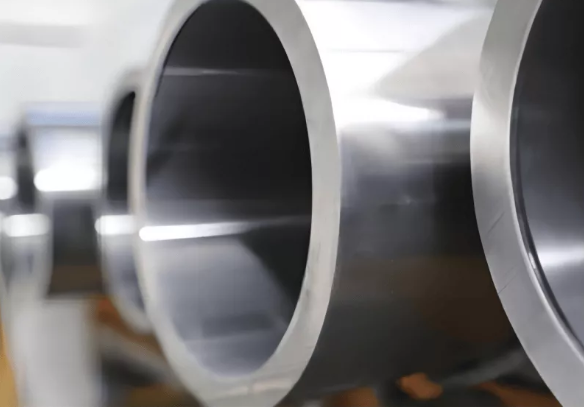
Key Differences Between Seamless Tubes and Seamless Pipes
| Feature | Seamless Tubes | Seamless Pipes |
| Primary Use | Precision mechanical and structural applications | Fluid and gas transportation |
| Measurement | Outer diameter (OD) and wall thickness | Inside diameter (ID) |
| Manufacturing Process | Extrusion, cold drawing, pilgering | Extrusion, heat treatment, hydrostatic testing |
| Pressure Endurance | High pressure, mechanical stress | High pressure, large fluid volume |
| Corrosion Resistance | Superior, ideal for chemically aggressive environments | Adequate for most industrial environments |
| Applications | Aerospace, automotive, medical devices | Oil and gas pipelines, chemical processing |
Definitions: What Are Seamless Tubes and Pipes?
Seamless Tubes: Seamless tubes are hollow, cylindrical components that are made from solid metal billets. These billets are heated, pierced, and drawn into the desired shape. The absence of any weld seams in the structure of the tube ensures that the tube is homogenous and can withstand higher pressures and stresses. Seamless tubes are usually measured by their outer diameter (OD) and wall thickness, making them ideal for precise mechanical and structural applications where consistency is crucial.
Seamless Pipes: Seamless pipes are also made from solid billets, but their primary function is to transport fluids and gases. Unlike seamless tubes, which are measured by the outer diameter and wall thickness, seamless pipes are measured by their internal diameter (ID). This difference in measurement standards reflects their intended use for fluid or gas conveyance, where the internal capacity of the pipe is a more important factor. Seamless pipes are designed to be durable and resistant to high pressure and extreme conditions, making them suitable for industries such as oil and gas.
Manufacturing Processes for Seamless Tubes and Pipes
Seamless Tubes: The production of seamless tubes begins with heating a solid billet, followed by a piercing process that creates a hollow tube. After this, the tube is elongated and refined through processes like extrusion, cold drawing, or pilgering. These processes ensure a smooth and uniform surface, free from weld seams, which adds to the tube’s strength and durability. The tube is then subjected to additional processes, such as heat treatment or cold drawing, to achieve the desired dimensions and surface finish. Seamless tubes are widely used in applications where strength and precision are critical, such as in aerospace, automotive, and medical industries.
Seamless Pipes: The manufacturing process for seamless pipes is quite similar to that of seamless tubes. The key difference lies in the fact that pipes are typically produced in larger diameters and thicker walls to withstand higher pressures. The billets are heated, pierced, and elongated, followed by processes like heat treatment or hydrostatic testing to ensure the pipes can handle the stress and pressure in applications such as fluid transport, oil pipelines, and chemical processing systems. The seamless construction ensures that the pipes have no weak points, making them highly reliable for high-pressure systems.
Measurement Standards: Tube vs. Pipe
Seamless Tubes: Seamless tubes are typically measured by their outer diameter (OD) and wall thickness. This method of measurement makes them ideal for applications that require precise dimensional control, such as hydraulic systems, structural supports, and high-precision mechanical components.
Seamless Pipes: In contrast, seamless pipes are measured by their internal diameter (ID), as they are primarily used for transporting fluids and gases. The ID of the pipe determines the flow capacity of the system. Pipes are designed to handle larger volumes of fluid and are built to withstand high-pressure conditions, especially in industries like oil and gas and power generation.
Comparing Strength and Durability in Tubes and Pipes
| Feature | Seamless Tubes | Seamless Pipes |
| Strength | Generally stronger due to uniform structure | Strong, but weaker near welded joints (if applicable) |
| Pressure Endurance | High, ideal for high-pressure applications | High, designed to withstand pressure in fluid systems |
| Corrosion Resistance | Excellent, ideal for harsh chemicals and environments | Good, suitable for less aggressive environments |
| Durability in Harsh Conditions | High durability in extreme environments | Durable but may require special coatings in aggressive environments |
Strength and Pressure Endurance
Seamless Tubes: One of the main advantages of seamless tubes is their strength, which comes from their uniform structure. Without the presence of welded seams, seamless tubes can withstand greater mechanical stress, making them suitable for use in high-pressure and high-temperature environments. They are ideal for applications in aerospace, automotive, and medical industries where both strength and precision are critical. The absence of weld seams also ensures that seamless tubes are less likely to fail under pressure or external stress.
Seamless Pipes: Seamless pipes are designed to handle high pressure and extreme temperatures, which makes them ideal for industries such as oil and gas and chemical processing. While the welded areas of pipes can sometimes introduce weak points, modern manufacturing techniques have improved their overall strength and resistance to pressure. Seamless pipes are preferred in high-pressure fluid transport systems where consistent strength and reliability are required, such as in oil pipelines or water supply systems.
Corrosion Resistance in Harsh Environments
Seamless Tubes: Due to their uniform construction, seamless tubes often exhibit better resistance to corrosion, especially in chemically aggressive environments. Materials like stainless steel and alloy steel are commonly used for manufacturing seamless tubes, making them ideal for industries where corrosion resistance is a priority, such as chemical processing, marine applications, and medical devices.
Seamless Pipes: While seamless pipes are also resistant to corrosion, their performance can vary depending on the material used and the application environment. Seamless pipes are commonly used in fluid transport systems that deal with less corrosive materials. However, in more aggressive environments, such as those involving chemicals, coatings, or specialized alloys are often required to improve the corrosion resistance of seamless pipes.
Applications of Seamless Tubes vs. Pipes
| Application Area | Seamless Tubes | Seamless Pipes |
| Automotive | Hydraulic cylinders, chassis components, drive shafts | Fuel lines, exhaust pipes |
| Aerospace | Aircraft structural components, engine parts | Aircraft fuel systems, pneumatic systems |
| Medical Devices | Stents, infusion tubes, surgical instruments | Medical gas pipelines |
| Oil and Gas | N/A | Oil pipelines, gas pipelines |
| Chemical Processing | N/A | Transporting chemicals and acids |
| Power Plants | N/A | Steam pipes, boilers |
Seamless Tubes in High-Precision Applications
Seamless tubes are widely used in high-precision industries that demand dimensional accuracy and material strength. Examples include:
Automotive Industry: Seamless tubes are used for manufacturing parts like hydraulic cylinders, chassis components, and drive shafts. The tubes provide the strength needed to handle mechanical loads while maintaining precision.
Aerospace Industry: In aerospace, seamless tubes are used for critical parts such as aircraft structural components, landing gear, and engine parts. The strength-to-weight ratio and high precision of seamless tubes make them ideal for such applications.
Medical Devices: Medical devices, including stents and infusion tubes, require seamless tubes because of their ability to maintain structural integrity and resist corrosion. These tubes must meet strict standards for precision and biocompatibility.
Seamless Pipes in Fluid Transport Systems
Seamless pipes are primarily used for transporting fluids and gases in various industries. Key applications include:
Oil and Gas Industry: Seamless pipes are used extensively for transporting crude oil, natural gas, and refined products in pipelines. Their ability to withstand high pressure and extreme temperatures makes them essential for offshore platforms and underground pipelines.
Chemical Processing: In chemical processing plants, seamless pipes are used to transport various chemicals and acids. The strength and corrosion resistance of seamless pipes make them ideal for such environments, where safety and reliability are essential.
Power Plants: Seamless pipes are used in power plants, particularly in steam pipelines, boilers, and heat exchangers, where the ability to handle high-pressure steam is crucial. These pipes are designed to perform under extreme conditions, ensuring the efficient operation of power generation systems.
Cost and Availability: Seamless Tubes vs. Pipes
Manufacturing Costs and Efficiency
Seamless Tubes: Seamless tubes tend to be more expensive than seamless pipes because the manufacturing process is more complex. The precision required for seamless tube production adds to the cost, but the higher performance and strength make them a worthwhile investment for high-precision applications.
Seamless Pipes: Seamless pipes are generally more cost-effective due to their simpler manufacturing process. The reduced cost makes seamless pipes an attractive option for large-scale fluid transportation systems, where cost efficiency and high-volume production are key considerations.
Procurement and Delivery Times
Seamless Tubes: Since seamless tubes are often custom-made to specific dimensions, their availability can be limited, and lead times may be longer. Manufacturers may need additional time to produce and deliver seamless tubes that meet the required specifications.
Seamless Pipes: Seamless pipes are available in a wider range of sizes and can be produced relatively quickly, making them ideal for industries that require large quantities of material in a short time frame. The availability of standard sizes also contributes to faster procurement times.
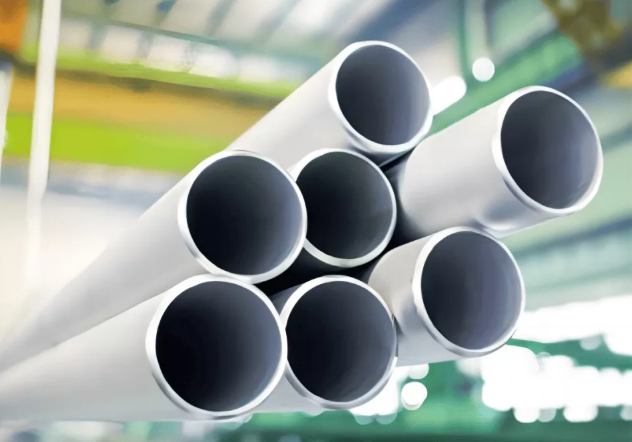
Selecting Between Seamless Tubes and Pipes Based on Application Needs
Considerations for Operating Environments
Choosing the right material—whether seamless tubes or pipes—greatly depends on the specific operating environment in which they will be used. Seamless tubes are ideal for environments that demand precision, mechanical strength, and resistance to extreme pressure and corrosive elements. They are often used in industries such as aerospace, automotive, and medical, where high precision and durability are essential. For example, in aerospace, components need to withstand high stress, and seamless tubes ensure a reliable, uniform structure that performs under these demanding conditions.
On the other hand, seamless pipes are better suited for fluid and gas transport systems, where handling large volumes and high-pressure conditions is a key requirement. These pipes are designed to withstand significant pressure while maintaining efficient flow over long distances, making them suitable for industries like oil and gas, water treatment, and power generation. In environments that require fluid transfer under high pressure, such as pipeline systems in oil fields, seamless pipes are the go-to choice due to their ability to endure the stress exerted by the pressurized fluids they carry.
Evaluating Performance Requirements and Durability
When evaluating performance requirements and durability, it’s crucial to consider both the application’s need for mechanical strength and the environmental conditions the material will face. Seamless tubes are generally preferred when high precision and mechanical strength are critical. These tubes excel in applications where dimensional accuracy and the ability to perform under mechanical stress are paramount. For instance, in the automotive industry, seamless tubes are used for hydraulic cylinders that must withstand constant high pressure and provide precise motion control.
Seamless pipes, however, are more suitable for large-scale transport applications that involve high fluid flow or significant volume capacity. For example, in industrial pipelines or power plant cooling systems, seamless pipes are necessary because they handle larger diameters and higher flow rates more efficiently. These pipes also perform well in systems where large volumes of fluid need to be transported over long distances without compromising flow efficiency. In such cases, seamless pipes offer the durability and performance required for large-scale operations.
Maintenance and Longevity of Tubes vs. Pipes
In terms of maintenance and longevity, seamless tubes generally have a clear advantage, particularly due to their lack of weld seams. This feature makes them less prone to corrosion and failure under pressure, especially in harsh environments. Because seamless tubes do not have the potential weak points that welded joints introduce, they typically require less maintenance and last longer. This makes them an optimal choice for industries like aerospace, where maintenance schedules must be minimized due to operational safety concerns. Furthermore, the durability of seamless tubes ensures that they maintain their integrity even under extreme temperature variations or corrosive conditions.
Seamless pipes, although durable, may still require more regular maintenance, particularly when the system involves welded joints. These joints, while strong, can become vulnerable to cracking or corrosion over time, especially in environments exposed to high pressures or aggressive chemicals. However, seamless pipes still offer significant longevity and reliability, especially when manufactured using advanced welding techniques. Regular inspection and monitoring of the welded areas are essential to maintaining the integrity of these pipes, especially in high-demand environments like the oil and gas industry, where failures can result in costly downtime and safety risks.
Conclusion
Seamless tubes and seamless pipes each provide unique advantages based on the application. Seamless tubes are perfect for high-precision, high-strength tasks in industries such as aerospace, automotive, and medical devices. Meanwhile, seamless pipes are ideal for fluid and gas transport, particularly in high-pressure environments like oil and gas pipelines and chemical processing plants. When choosing between the two, consider factors such as operating conditions, performance needs, and maintenance requirements to find the best solution.
Zhencheng Steel Co.,Ltd. offers high-quality seamless tubes and pipes, delivering exceptional strength and precision for various industrial applications. Their products stand out for their durability, reliability, and performance, making them a trusted partner for projects requiring high-performance materials.
FAQ
Q: What is the difference between seamless tubes and seamless pipes?
A: Seamless tubes are typically used in high-precision, structural applications, while seamless pipes are designed for fluid and gas transportation. The key difference lies in their measurement—tubes are measured by outer diameter and wall thickness, while pipes are measured by inner diameter.
Q: Why are seamless pipes preferred in fluid transport systems?
A: Seamless pipes are ideal for fluid transport because they can handle high pressures and larger volumes of flow. Their ability to withstand extreme conditions makes them essential in industries like oil and gas pipelines and chemical processing.
Q: How are seamless pipes manufactured?
A: Seamless pipes are created by heating a solid billet, piercing it, and drawing it into a hollow tube. The pipes are then refined and subjected to processes like heat treatment to ensure their strength and resistance to pressure.
Q: When should I use seamless tubes over seamless pipes?
A: Use seamless tubes for applications requiring high precision, strength, and mechanical integrity, such as aerospace or medical devices. Seamless pipes are better for fluid transport systems, especially those involving high pressure.
Q: Are seamless pipes more expensive than seamless tubes?
A: Generally, seamless pipes are more cost-effective than seamless tubes because their manufacturing process is simpler. However, seamless tubes are often used for specialized, high-precision applications that justify their higher cost.


