Introduction
Austenitic Stainless Steel Seamless Pipes are essential components in industries requiring high durability and corrosion resistance. Their unique properties make them indispensable in challenging environments like oil and gas, chemical processing, and aerospace.
In this article, we will explore what makes these pipes so important. You will understand their composition, manufacturing process, and key applications across various industries.
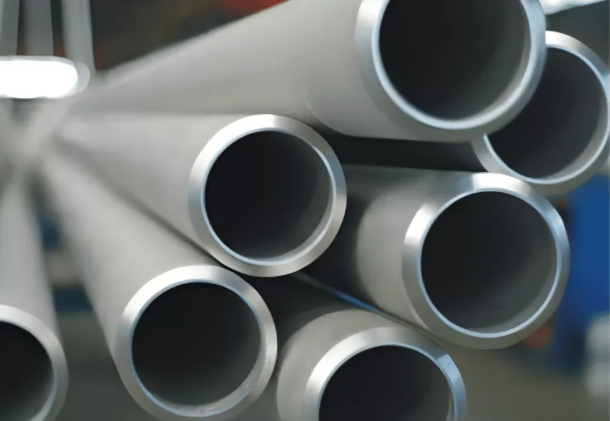
Overview of Austenitic Stainless Steel Seamless Pipes
Austenitic stainless steel seamless pipes play a crucial role in various industries due to their remarkable corrosion resistance, high mechanical strength, and versatility. These pipes are indispensable in sectors like oil and gas, chemical processing, and construction, where their performance in extreme environments is vital. Their seamless design ensures a uniform structure, which eliminates any potential weaknesses that could arise from welded joints, making them the preferred choice for applications that demand superior strength and reliability.
The ability to resist high pressures, extreme temperatures, and corrosive substances makes these pipes incredibly valuable. As a result, austenitic stainless steel seamless pipes are essential materials for industries requiring not only structural integrity but also long-lasting performance in harsh conditions.
Primary Features of Austenitic Stainless Steel Pipes:
Corrosion Resistance: The pipes provide exceptional resistance to oxidation, rust, and chemical reactions, making them ideal for environments where other materials would corrode rapidly.
Strength and Durability: These pipes are engineered to withstand significant mechanical stress, maintaining their strength and shape even under the harshest conditions, ensuring smooth and continuous operation without the need for frequent repairs or replacements.
Versatility: Due to their outstanding mechanical and chemical properties, austenitic stainless steel seamless pipes can be used in various applications, from everyday plumbing to critical industrial systems. They balance performance with flexibility, allowing for broad applications across diverse industries.
Key Characteristics of Austenitic Stainless Steel Seamless Pipes
What Defines Austenitic Stainless Steel Composition?
Austenitic stainless steel pipes are primarily composed of chromium, nickel, and carbon, with small quantities of other elements like manganese, nitrogen, and molybdenum. This unique combination creates a face-centered cubic (FCC) crystal structure, which is key to their exceptional corrosion resistance, non-magnetic properties, and superior strength. The typical composition of these pipes includes:
| Element | Percentage (%) | Role in Composition |
| Chromium | 18% | Provides resistance to oxidation and corrosion |
| Nickel | 8-10% | Stabilizes the austenite structure, enhances ductility |
| Carbon | 0.1% | Prevents carbide formation, maintaining strength and durability |
| Manganese | Small Amount | Improves hardness and tensile strength |
| Molybdenum | Small Amount | Enhances resistance to corrosion, especially against chlorides |
This composition enables the pipes to endure extreme temperature fluctuations and aggressive chemicals, making them ideal for a wide range of industrial applications where strength and durability are crucial.
Unique Properties of Austenitic Stainless Steel Pipes
Austenitic stainless steel pipes possess several key properties that set them apart from other types of pipes:
Corrosion Resistance: These pipes are highly resistant to a wide array of corrosive agents, including acids, bases, and chlorides, making them ideal for use in chemically demanding environments.
Non-Magnetic: Unlike ferritic or martensitic stainless steels, austenitic stainless steel is generally non-magnetic unless cold worked. This property is crucial in applications where magnetic interference must be avoided.
Toughness and Plasticity: The pipes' ability to withstand bending and stretching without breaking is a significant advantage, especially in industries such as construction and energy, where pipes are exposed to frequent movement and mechanical stress.
Weldability and Cold Workability: Austenitic stainless steel pipes are easy to weld, which simplifies their integration into various projects. Additionally, they can be cold worked, allowing them to gain improved mechanical properties without compromising their integrity.
Common Grades and Variants of Austenitic Stainless Steel Pipes
Several grades of austenitic stainless steel pipes are commonly used in different applications:
| Grade | Features | Common Applications |
| 304 | Good corrosion resistance, weldable, cost-effective | Food processing, dairy, beverage industries |
| 316 | Superior resistance to chlorides and corrosion | Marine environments, chemical processing |
| 310 | High temperature resistance, excellent oxidation resistance | Furnace components, heat exchangers |
| 304L | Low carbon content, improved weldability | Structural applications where welding is required |
| 316L | Low carbon content, better intergranular corrosion resistance | Chemical and pharmaceutical industries |
Other variants, such as 304L and 316L, offer improved weldability and intergranular corrosion resistance, making them suitable for more demanding applications in industries such as aerospace, energy, and food processing.
Manufacturing Process of Austenitic Stainless Steel Seamless Pipes
Selecting Raw Materials and Ensuring Quality Control
The production of austenitic stainless steel seamless pipes begins with the careful selection of high-quality billets. These billets are chosen to meet strict chemical composition standards, ensuring that the final pipes have the desired mechanical and corrosion-resistant properties. This step is critical to guarantee that the pipes will perform as required in demanding environments.
Once the billets are selected, they undergo rigorous testing to confirm that their chromium, nickel, and carbon content meets the necessary standards. This ensures the pipes will perform well under the specified operating conditions.
Step-by-Step Manufacturing Process
Heating and Piercing: The billets are heated to a high temperature to increase their malleability. Once sufficiently heated, the billets are pierced using a rotary piercing machine, creating a hollow tube. This step is crucial to form the base of the seamless pipe.
Elongation and Sizing: The hollow tube is then stretched to the desired length and diameter. During this process, the thickness of the pipe's walls is carefully monitored to ensure uniformity throughout its length.
Finishing Processes: After the pipe is shaped, it undergoes heat treatment to relieve internal stresses and improve its mechanical properties. The pipes are then pickled to remove any surface contaminants, polished for a smooth finish, and thoroughly inspected to ensure they meet all industry standards.
Industry Standards for Austenitic Stainless Steel Pipes
Austenitic stainless steel seamless pipes must adhere to various industry standards to guarantee their quality and performance. Some of the key standards include:
| Standard | Description | Relevant Applications |
| ASTM A312 | Covers general-purpose stainless steel piping | Fluid transportation, structural use |
| GB/T14975 | A Chinese standard for structural applications | Structural applications in China |
| GB/T14976 | Applies to fluid transportation pipes | Suitable for carrying liquids and gases under high pressure |
These standards ensure that the pipes meet the requirements for various applications, from fluid transportation to critical structural components in high-stress environments.
Industries and Applications of Austenitic Stainless Steel Seamless Pipes
Applications in Oil and Gas Industry
Austenitic stainless steel seamless pipes are indispensable in the oil and gas industry. They are widely used for offshore drilling, pipeline systems, and refineries due to their corrosion resistance and high-pressure capabilities. Their ability to maintain strength under extreme temperatures further makes them ideal for challenging operational environments.
Applications in Chemical Processing
These pipes are crucial in the chemical processing industry, where exposure to aggressive acids, bases, and solvents is common. They are used in reactors, heat exchangers, and storage tanks where their durability and resistance to corrosion are essential for maintaining safety and operational efficiency.
Use in Food and Beverage Industry
In the food and beverage industry, austenitic stainless steel pipes are extensively used due to their hygienic, non-reactive surface. These pipes ensure that food and beverage products are safe and uncontaminated during processing, with grades like 304 and 316 being particularly suitable for food-grade applications due to their excellent resistance to oxidation and corrosion.
Power Generation and Aerospace Uses
In power generation, particularly in thermal and nuclear power plants, austenitic stainless steel seamless pipes are designed to withstand high temperatures and pressure. Their ability to maintain mechanical properties under these extreme conditions ensures the reliability and safety of steam lines, boilers, and other critical infrastructure. Similarly, in aerospace, these pipes are used in high-stress, high-temperature applications, where their strength and corrosion resistance are vital for the efficiency and safety of aircraft components.
Medical Industry Applications
The medical industry demands materials that are not only durable but also biocompatible. Austenitic stainless steel pipes meet these needs, as they are commonly used to manufacture surgical instruments, medical devices, and implants. Their smooth surfaces and resistance to corrosion make them ideal for use in medical environments where hygiene and safety are crucial.
Advantages of Austenitic Stainless Steel Seamless Pipes
Benefits of Seamless Design and Leak Prevention
The seamless design of austenitic stainless steel pipes provides significant advantages over welded pipes. Without welded joints, these pipes eliminate weak points where leaks could occur. The absence of welds ensures that the pipe maintains its integrity under pressure. In industries where safety and efficiency are paramount, such as in high-pressure systems used for gas or fluid transportation, leak prevention becomes a critical factor. The uniform structure of seamless pipes allows them to handle extreme pressures and operational stresses, reducing the likelihood of failure, which can be costly and hazardous. This makes seamless pipes the preferred choice for applications that require high reliability and safety standards.
Enhanced Durability and Strength Under Extreme Conditions
Austenitic stainless steel seamless pipes are known for their exceptional durability, making them ideal for applications exposed to challenging environmental conditions. The pipes' uniform wall thickness ensures that they perform consistently across their entire length, with no variations in strength or susceptibility to damage. Additionally, the material is resistant to corrosion, wear, and high temperatures, all of which make it suitable for use in industries such as petrochemicals, aerospace, and heavy manufacturing. These properties allow the pipes to withstand harsh working conditions, like exposure to corrosive chemicals or extreme temperature fluctuations, without losing their structural integrity. This longevity reduces the need for frequent maintenance or replacements, ultimately saving on operational costs.
Aesthetic Appeal and Functional Advantages
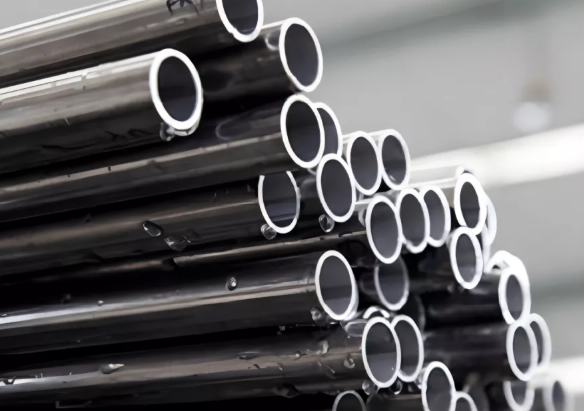
Beyond their functional benefits, austenitic stainless steel seamless pipes also offer aesthetic advantages, particularly in industries where appearance is a consideration. The smooth, polished finish of these pipes not only enhances their visual appeal but also contributes to their resistance to dirt, grime, and other contaminants. This makes them suitable for applications in industries like food processing and architecture, where the visual and hygienic standards are high. The reflective, clean surface of stainless steel pipes in visible areas can help maintain a polished and professional appearance in commercial and residential buildings, while ensuring that the pipes remain functional and reliable in their performance.
Ease of Maintenance and Cleaning
One of the key benefits of austenitic stainless steel pipes is their easy maintenance and cleaning. The smooth, non-porous surface prevents the accumulation of dirt, bacteria, or other contaminants, which is essential in industries where cleanliness is a top priority. In food processing, pharmaceuticals, and healthcare, where hygiene standards are strict, maintaining cleanliness is vital to ensure the safety of both products and workers. The ease of cleaning also reduces downtime, as pipes require less frequent maintenance compared to other materials. Their resistance to corrosion and scaling means that these pipes are less likely to clog, further improving their ease of upkeep and reducing long-term maintenance costs.
Environmental Impact and Sustainability
Austenitic stainless steel pipes offer significant environmental advantages due to their recyclability and longevity. Stainless steel is 100% recyclable, which means that pipes made from this material can be reused at the end of their lifecycle, reducing waste and conserving resources. Their long lifespan also reduces the frequency of replacements, contributing to fewer environmental impacts associated with manufacturing and disposal. This sustainability factor makes them an appealing choice for industries focused on reducing their carbon footprint. Furthermore, their resilience and ability to withstand harsh conditions mean that fewer pipes need to be replaced over time, resulting in less waste generation and energy consumption during manufacturing processes. As industries shift towards more sustainable practices, austenitic stainless steel pipes offer a reliable and eco-friendly solution.
Factors to Consider When Choosing Austenitic Stainless Steel Seamless Pipes
Understanding Cost and Material Pricing
Austenitic stainless steel pipes tend to be more expensive than other types of stainless steel, but their superior corrosion resistance, durability, and performance justify the investment. While the initial cost may be higher, the long-term savings from reduced maintenance and replacement costs make them a cost-effective solution in many industries.
Selecting the Right Grade for Specific Applications
Choosing the appropriate grade of austenitic stainless steel pipe is critical for ensuring that the pipe performs well in the intended environment. Factors such as corrosion resistance and temperature resistance should guide the selection process. For example, grades like 310 provide excellent high-temperature resistance, while 316 offers enhanced resistance to chloride-induced corrosion.
Welding and Processing Considerations
Although austenitic stainless steel pipes are generally easy to weld, some grades may be better suited for specific welding techniques or environmental conditions. It is important to choose a grade that aligns with the welding process to ensure optimal results.
Conclusion
Austenitic stainless steel seamless pipes are essential for industries requiring strength, corrosion resistance, and long-lasting durability. They are used in sectors like oil and gas, food processing, aerospace, and healthcare, where reliable performance under harsh conditions is crucial. By selecting the right grade, industries can ensure efficient operations while minimizing costly maintenance and replacements.
These pipes provide not only functional benefits but also environmental sustainability and aesthetic appeal, making them a preferred choice in various industrial applications. Zhencheng Steel Co.,Ltd. offers these high-quality pipes, providing unique advantages in durability, corrosion resistance, and performance across numerous industries.
FAQ
Q: What is an Austenitic Stainless Steel Seamless Pipe?
A: An Austenitic Stainless Steel Seamless Pipe is a high-strength pipe made from austenitic stainless steel, known for its excellent corrosion resistance, durability, and versatility. It is commonly used in industries requiring reliable performance under extreme conditions, such as oil and gas, food processing, and aerospace.
Q: What are the main benefits of using Austenitic Stainless Steel Seamless Pipes?
A: Austenitic Stainless Steel Seamless Pipes offer several advantages, including leak-proof design, high corrosion resistance, strength under extreme conditions, and ease of maintenance. Their seamless structure enhances reliability compared to welded pipes.
Q: How is an Austenitic Stainless Steel Seamless Pipe manufactured?
A: Austenitic Stainless Steel Seamless Pipes are produced by heating billets and piercing them into hollow tubes. The tubes are then elongated, sized, and undergo finishing processes such as heat treatment and polishing to ensure high-quality performance.
Q: Why is Austenitic Stainless Steel Seamless Pipe preferred in industries?
A: These pipes are preferred due to their resistance to corrosion, high mechanical strength, and ability to withstand high pressures and temperatures. They are vital in industries like chemical processing and power generation, where reliability is crucial.
Q: How do I select the right grade of Austenitic Stainless Steel Seamless Pipe?
A: The right grade of Austenitic Stainless Steel Seamless Pipe depends on factors such as corrosion resistance and temperature range. Grades like 304, 316, and 310 are commonly used based on specific environmental requirements.
Q: Are Austenitic Stainless Steel Seamless Pipes environmentally friendly?
A: Yes, Austenitic Stainless Steel Seamless Pipes are environmentally friendly as they are 100% recyclable. Their durability and long lifespan reduce waste and the need for frequent replacements, making them a sustainable option in various industries.


