Introduction
Seamless steel pipes are vital in various industries, known for their strength and resistance to corrosion. These pipes are formed from a single piece of steel, offering unmatched reliability, especially in high-pressure applications.
In this article, we will explore the comprehensive manufacturing process behind seamless steel pipes, from material selection to final production. You will learn how these pipes are made and why they are essential for industries like oil, gas, aerospace, and automotive.
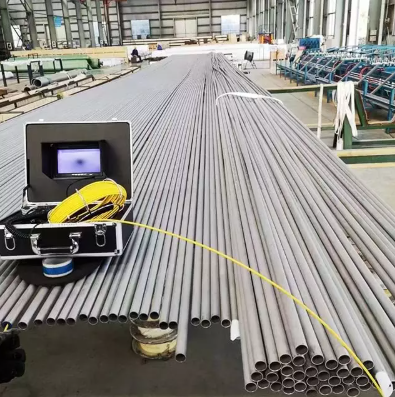
Steps in the Basic Manufacturing of Seamless Steel Pipes
Selecting and Preparing the Steel Billet
The production of seamless steel pipes starts with selecting the right steel billet, which serves as the raw material. Steel billets are solid, rectangular pieces of steel that are heated to high temperatures to make them malleable enough for further processing. The selection of high-quality billets is crucial because any imperfections in the raw material can affect the final product's strength and integrity. Choosing the correct billet is essential to ensure that the seamless pipe has the necessary mechanical properties and performance standards.
The heating process is carried out in a furnace, where the steel billet is brought to a temperature around 1,200°C (2,192°F). This heat treatment is critical to make the billet soft enough for the piercing and rolling processes that follow. Proper temperature control during heating is vital to achieving the desired ductility and to avoid any flaws that might compromise the pipe's final quality.
Piercing and Elongating the Steel Billet
Once heated, the billet is pierced using a rotary piercer to create a hollow tube. This piercing step is essential for transforming the solid billet into a tube shape. The hollow tube is then elongated through a series of rollers that reduce its wall thickness and increase its length. This step is known as elongation, and it allows the pipe to achieve the required diameter and length. The elongation process ensures that the pipe maintains uniformity in thickness, diameter, and strength throughout its length.
During this process, a mandrel may be inserted into the tube to control the internal diameter and ensure the pipe remains smooth and uniform throughout. The use of the mandrel helps to preserve the integrity of the pipe’s inner diameter, preventing any variations that could lead to defects in the final product.
Sizing and Surface Treatment of Pipes
After elongation, the pipe undergoes further size reduction to achieve the exact specifications required. This is done through sizing mills that precisely adjust the pipe’s diameter and wall thickness. The sizing mill ensures that the pipe’s dimensions meet the stringent requirements of industries such as oil and gas, where precision is crucial for safety and performance.
At this stage, surface treatment processes such as polishing or coating may be applied to enhance the pipe’s resistance to corrosion and improve its surface finish. Surface treatment helps to protect the pipe from external factors such as moisture, chemicals, and physical wear, making the pipes more durable in challenging environments.
The final step in this phase is cooling, which ensures that the steel solidifies and maintains its structural integrity. This cooling process is done in a controlled environment to avoid thermal stress that could affect the pipe’s final mechanical properties. The cooling process ensures that the pipe maintains its desired mechanical strength and durability before moving to the next stage.
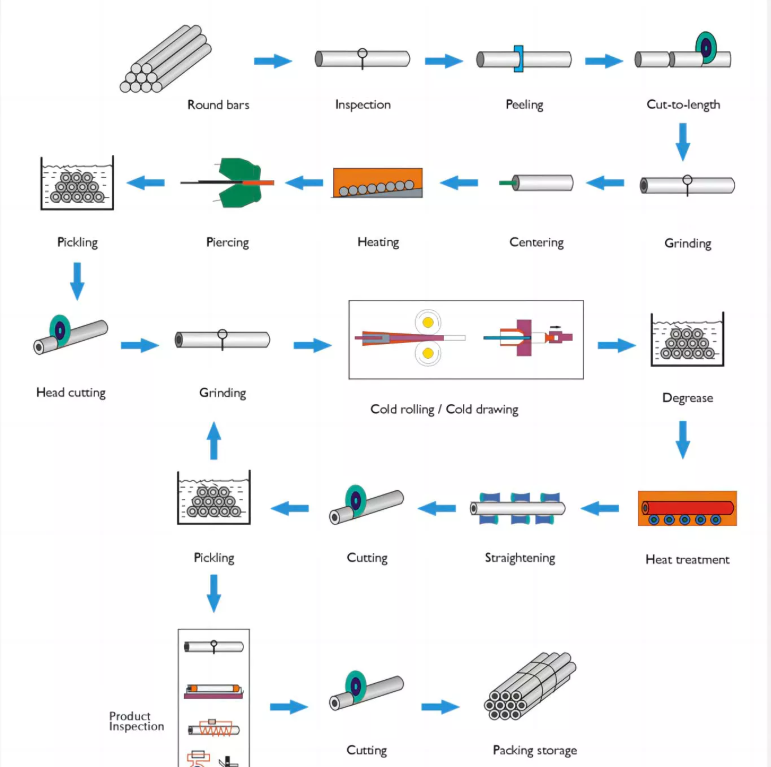
Core Manufacturing Processes for Seamless Steel Pipes
Mandrel Mill Process for Smaller Pipes
The Mandrel Mill process is typically used for producing smaller diameter seamless steel pipes. The steel billet is heated and pierced, then passed through a set of rollers to elongate the pipe. In this process, a mandrel (a rod inserted into the tube) is used to help control the pipe’s internal diameter and wall thickness. The mandrel helps to ensure that the pipe retains its uniform shape and smooth surface throughout the entire length.
This process allows for the continuous reduction of the pipe’s dimensions and produces a smooth, uniform pipe. The Mandrel Mill process is ideal for pipes that range from small to medium sizes, generally from 1 to 6 inches in diameter. The precision achieved in this process ensures that the pipes are suitable for a wide variety of applications where exact dimensions are required.
Plug Mill Process for Larger Pipes
For larger diameter pipes, the Plug Mill process is used. Similar to the Mandrel Mill process, the Plug Mill involves piercing and elongating a steel billet. However, in the Plug Mill process, a "plug" is inserted into the tube, which helps reduce the outside diameter and maintain the shape of the pipe. This method ensures that the pipe retains its structural integrity and smoothness, even for larger diameters.
This method is used for pipes with diameters ranging from 6 to 16 inches. The Plug Mill process is particularly effective for producing pipes with thicker walls and larger diameters required in applications such as structural components and heavy-duty machinery. These larger pipes are often used in the construction and transportation industries, where strength and durability are paramount.
Hot Rolling vs Cold Rolling: Key Differences
The rolling process is a critical step in the manufacturing of seamless steel pipes. Hot rolling is performed at high temperatures and is generally used for producing larger diameter pipes. The billet is heated and then rolled to the desired size. Hot-rolled pipes are often more affordable, but they typically have a rougher surface finish and lower tensile strength compared to cold-rolled pipes. Despite these limitations, hot-rolled pipes are commonly used in general-purpose applications that do not require the high precision and surface finish of cold-rolled pipes.
Cold rolling, on the other hand, is performed at room temperature or slightly elevated temperatures. It produces smoother, more precise pipes with better mechanical properties, such as higher tensile strength. Cold-rolled pipes are commonly used in high-precision applications where dimensional accuracy is crucial, such as in hydraulic systems and aerospace components. The cold rolling process results in pipes with a superior surface finish, making them ideal for industries where aesthetics and performance are key.To better understand the key differences between hot rolling and cold rolling, here's a comparison table summarizing the features of each process:
| Feature | Hot Rolling | Cold Rolling |
| Manufacturing Temperature | High temperature (>1,000°C) | Room temperature or slightly elevated |
| Surface Finish | Rough, may have scale | Smooth, clean surface, minimal oxidation |
| Tensile Strength | Lower tensile strength | Higher tensile strength, more precise dimensions |
| Cost | More affordable | More expensive due to additional processing |
| Applications | Heavy-duty, low-precision uses | Precision engineering, automotive, aerospace, pressure vessels |
Choosing the Right Raw Materials for Seamless Steel Pipes
| Material Type | Key Characteristics | Common Applications |
| Carbon Steel | Good strength-to-weight ratio, easy to produce | General-purpose applications like water pipelines, structural components |
| Alloy Steel | Enhanced strength, toughness, heat and corrosion resistance | Power generation, chemical processing, high-stress applications |
| Stainless Steel | Superior corrosion resistance, high durability | Marine, chemical processing, food processing industries |
Carbon Steel and Alloy Steel for General Use
Carbon steel is a common material used in seamless steel pipe manufacturing due to its good strength-to-weight ratio and ease of production. It is ideal for general-purpose applications such as water pipelines and basic structural components. Carbon steel pipes are widely used in industries where high strength and corrosion resistance are not critical.
Alloy steel, which is composed of elements like chromium, molybdenum, and nickel, offers enhanced strength, toughness, and resistance to heat and corrosion. Alloy steel pipes are often used in more demanding applications such as power generation and chemical processing. The addition of these alloying elements helps improve the pipe’s performance in extreme conditions, making them suitable for high-stress applications.
Stainless Steel for Corrosive Environments
Stainless steel is known for its superior resistance to corrosion and is widely used in environments where pipes are exposed to harsh chemicals, moisture, and high temperatures. Industries such as marine, chemical, and food processing rely heavily on seamless stainless steel pipes for their corrosion-resistant properties. Stainless steel pipes are ideal for applications where the piping system needs to maintain its integrity and performance in corrosive environments.
Impact of Raw Material on Pipe Performance
The choice of raw material plays a crucial role in the performance of seamless steel pipes. High-quality raw materials ensure better mechanical properties, including tensile strength, yield strength, and resistance to corrosion. These factors directly impact the pipe’s durability and lifespan, especially in high-pressure or extreme environments. Selecting the right material is essential for ensuring the pipe’s longevity and reliability under operating conditions.
Quality Control in the Manufacturing of Seamless Steel Pipes
Testing the Physical and Chemical Properties of Pipes
After the pipes are formed, they undergo various testing procedures to ensure they meet the required specifications. Physical testing includes visual inspections, dimensional checks, and surface quality assessments. Chemical testing ensures the proper composition of materials and verifies the absence of harmful impurities. These tests help confirm that the pipes will perform as expected in their respective applications.
Mechanical and Pressure Testing of Seamless Pipes
Seamless pipes are subjected to mechanical tests to measure their strength, flexibility, and performance under stress. Hydrostatic testing is commonly used to check for leaks by filling the pipe with water and applying pressure. This helps ensure that the pipe can withstand the operational pressures it will face in the field. Other mechanical tests, such as tensile and impact tests, are also performed to ensure the pipe can handle the forces it will encounter.
Final Inspection and Packaging of Steel Pipes
Before shipment, the pipes undergo final inspection, where they are checked for dimensional accuracy, strength, and surface defects. Once approved, the pipes are packaged securely to prevent any damage during transport. Proper packaging ensures the safe delivery of pipes to customers. Pipes that meet the required standards are labeled and shipped to their respective destinations.
Comparing Seamless Steel Pipes and Welded Pipes
| Feature | Seamless Steel Pipes | Welded Pipes |
| Strength | Higher strength, no weld seam | Weaker due to weld seams |
| Pressure Resistance | Suitable for high-pressure applications | Limited in high-pressure environments |
| Corrosion Resistance | Superior, especially in harsh environments | Prone to corrosion at the weld points |
| Cost | More expensive | More cost-effective |
| Applications | High-strength, critical infrastructure | General applications, lower-pressure systems |
Manufacturing Process of Welded Pipes
Welded pipes are manufactured by rolling a steel plate or strip into a cylindrical shape and welding the edges together. While they are typically cheaper than seamless pipes, welded pipes are more susceptible to corrosion and mechanical failure due to the presence of a weld seam. The weld seam is a potential weak point in the pipe, which could lead to leaks or pipe failure under high pressure.
Why Seamless Steel Pipes Are Superior
Seamless steel pipes have no joints, which makes them stronger and more reliable than welded pipes. The lack of weld seams means they are less likely to fail under high pressure, making them ideal for critical applications in industries such as oil and gas, aerospace, and automotive manufacturing. Seamless pipes offer superior mechanical properties, including higher tensile strength and better resistance to fatigue and stress.
When to Choose Seamless Over Welded Pipes
Seamless pipes are preferred in applications where high strength, resistance to pressure, and durability are required. Welded pipes, while more cost-effective, are better suited for applications with lower pressure requirements. Seamless pipes are typically used in high-pressure pipelines, aerospace applications, and other sectors where safety and performance are of utmost importance.
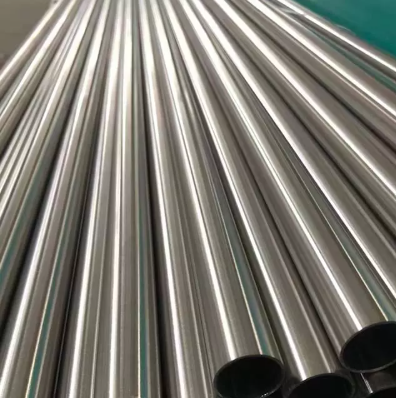
Applications of Seamless Steel Pipes in Various Industries
Role of Seamless Steel Pipes in the Oil and Gas Industry
Seamless steel pipes are widely used in the oil and gas industry for transporting crude oil, natural gas, and other fluids under high pressure. Their strength and resistance to corrosion make them ideal for offshore drilling, pipelines, and well casing applications. These pipes are essential for ensuring the safe and efficient transport of critical resources in challenging environments.
Seamless Steel Pipes in Aerospace and Aviation
In aerospace and aviation, seamless pipes are essential for systems that must operate under extreme pressure and temperature conditions. They are used in components such as fuel lines, hydraulic systems, and exhaust systems due to their ability to maintain structural integrity under harsh environments. The high strength-to-weight ratio of seamless pipes makes them an ideal choice for aviation applications.
Applications in Automotive and Machinery Manufacturing
Seamless steel pipes are also crucial in the automotive industry, where they are used in the production of exhaust systems, chassis, and other high-performance components. In machinery manufacturing, these pipes are used to build pressure vessels, hydraulic systems, and high-strength mechanical parts. Their ability to withstand high pressures and temperatures makes them indispensable in these industries.
Conclusion
The manufacturing of seamless steel pipes involves a complex process, including raw material selection, heating, rolling, and testing. As demand increases, seamless pipes remain essential in industries like oil, gas, aerospace, and automotive manufacturing.
With advancements in precision rolling and surface treatments, the industry is moving towards more efficient and cost-effective production. As the demand for seamless pipes rises, manufacturers must innovate to meet evolving industry standards.
Zhencheng Steel Co., Ltd. continues to provide high-quality seamless steel pipes, offering strength and durability for critical industries worldwide. Their products ensure reliability and performance across various applications.
FAQ
Q: What is the manufacturing process of a Seamless Steel Pipe?
A: The manufacturing of a seamless steel pipe involves selecting high-quality billets, heating them to high temperatures, piercing, elongating, and rolling them to the desired size. The pipe is then cooled, sized, and subjected to surface treatments for enhanced performance.
Q: Why is Seamless Steel Pipe preferred over welded pipes?
A: Seamless steel pipes have no joints, making them stronger and more resistant to high pressure and corrosion. They are ideal for critical applications in industries like oil, gas, and aerospace.
Q: How are Seamless Steel Pipes made in a Mandrel Mill process?
A: In the Mandrel Mill process, the billet is heated and pierced to create a hollow tube. The tube is then elongated and reduced in size through a series of rollers with a mandrel inserted to control the inner diameter.
Q: What are the advantages of Seamless Steel Pipes in high-pressure environments?
A: Seamless steel pipes provide superior strength and reliability under high pressure due to their uniform structure and absence of welded seams, making them ideal for high-stress industries like oil and gas.
Q: What factors influence the cost of Seamless Steel Pipe manufacturing?
A: The cost of manufacturing seamless steel pipes depends on raw material quality, manufacturing process, pipe size, and surface treatments. Advanced processes like cold rolling increase production costs but offer higher precision and strength.


